
01Origin Handoff
Supplier says “ready”
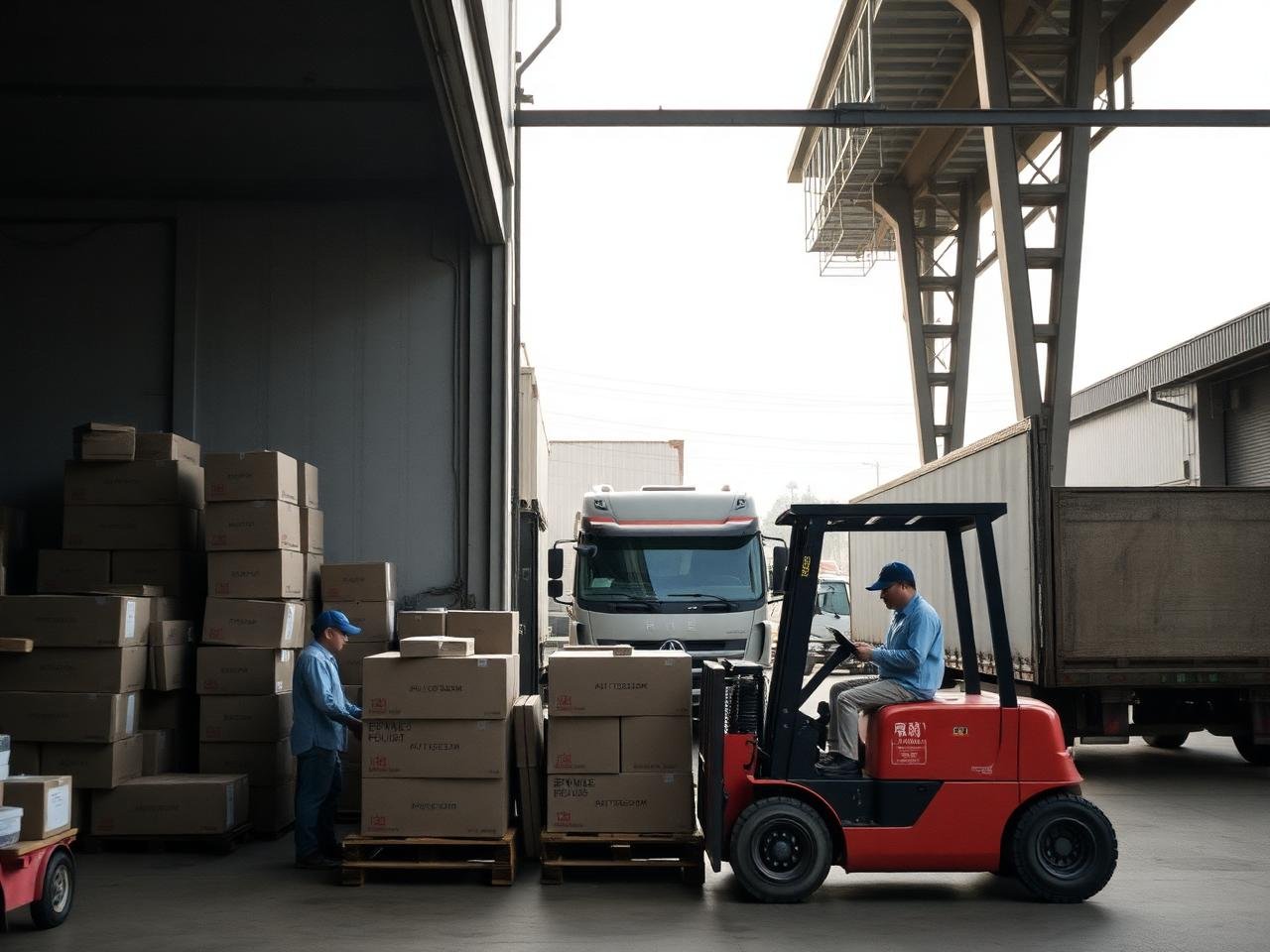
What the buyer may still be waiting on: confirmed pickup timing, packing details, shipment references, or information needed by the next party.
Pickup is actually ready
Buyer-Side Import Coordination
ImporterDesk keeps the handoffs aligned across your overseas supplier, freight forwarder or carrier, customs broker, and U.S. delivery partners — so your team can see what’s ready, what’s pending, who owns the next action, and where an exception needs follow-up.
ImporterDesk provides buyer-side coordination across the import handoff. The applicable supplier, freight forwarder or carrier, licensed customs broker, Importer of Record, warehouse, and other designated parties remain responsible for their own contractual, licensed, or legal functions.

Track packing information, shipment readiness, pickup timing, and the information needed for the next handoff.
Coordination focuses on visibility, timing, documents, and follow-up — not replacing licensed or contractual parties.
The Handoff Reality
Shipment status tells you where the cargo is. Handoff readiness tells you whether the next party can actually move the process forward.
Supplier says “ready”
What the buyer may still be waiting on: confirmed pickup timing, packing details, shipment references, or information needed by the next party.
Pickup is actually ready
Cargo arrives in the U.S.
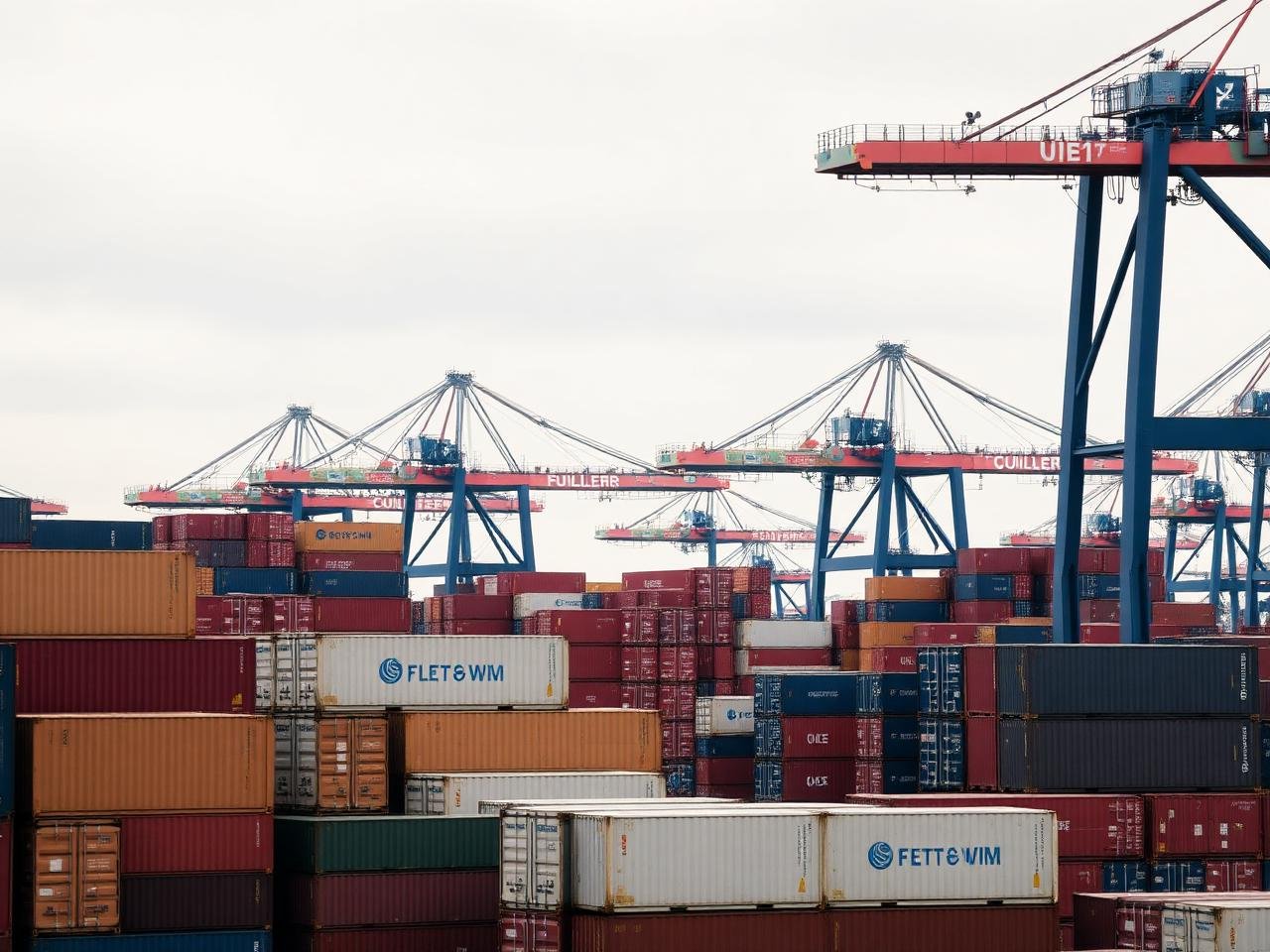
Why it matters: arrival and release are separate milestones, and different parties may own the actions required before pickup can occur.
Cargo is released for pickup

Cargo is released
What still has to line up: receiving instructions, warehouse or FBA / 3PL readiness, appointment timing, and the final-mile handoff.
The destination is ready to receive it
The gap between those milestones is where buyer-side coordination matters. ImporterDesk keeps the next action, responsible party, and handoff status visible to your team.

Document Alignment
Product descriptions, declared values, carton counts, consignee details, or shipment references differ across supplier, forwarder, and broker records. That can trigger questions, corrections, and rework before the next party can act.
Buyer Question
“Which version is the broker actually working from?”
Coordination Focus
Align the source information and document handoff before the mismatch becomes a downstream exception.
Release & Pickup
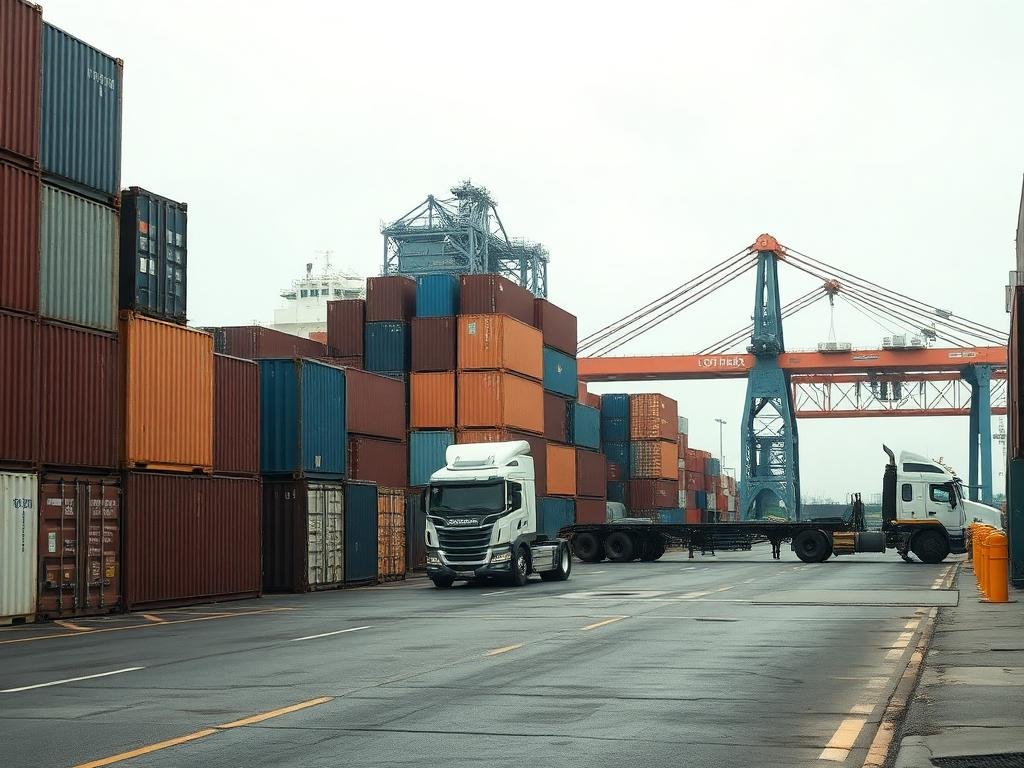
Arrival, entry status, customs or agency release, terminal availability, pickup references, and truck timing are separate milestones. Your team needs to know which one is actually blocking movement.
Buyer Question
“Is this a customs issue, a terminal issue, or a pickup issue?”
Coordination Focus
Identify the responsible party, missing input, and next action without treating every “not released” status as the same problem.
Destination Readiness
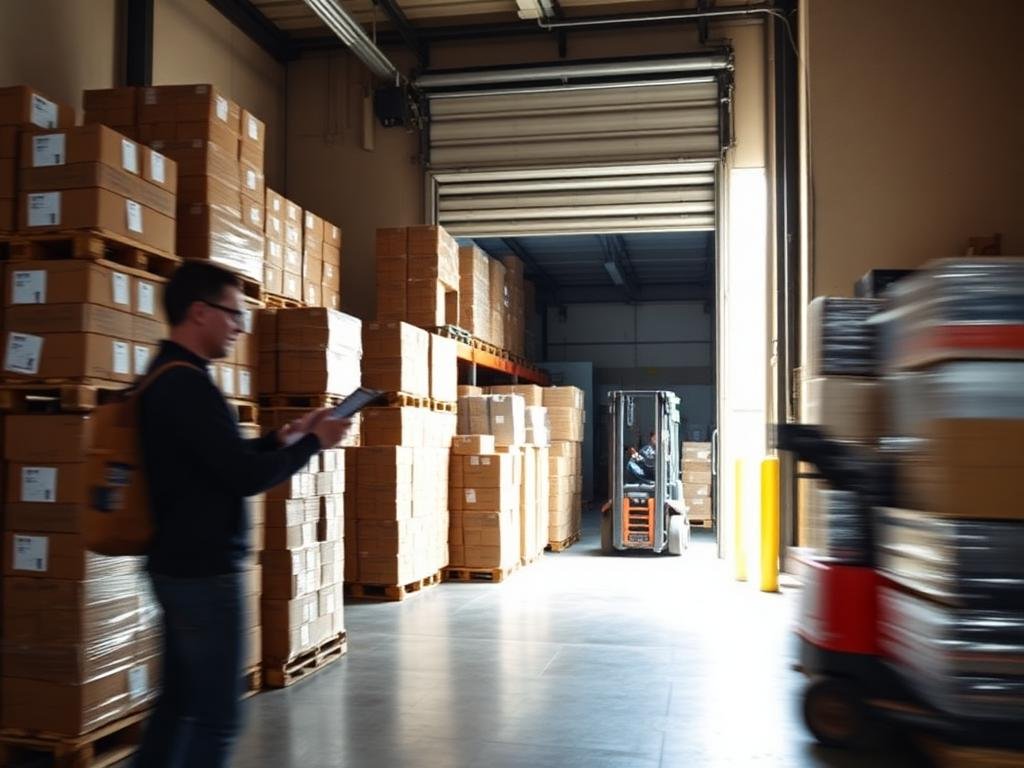
Warehouse, FBA, or 3PL receiving requirements, appointment windows, carton or pallet information, labels, and delivery instructions still have to line up before the final-mile handoff.
Buyer Question
“Can the destination actually receive this shipment when the truck arrives?”
Coordination Focus
Align destination requirements before final-mile dispatch, not after the truck is already on the way.

Exception Ownership
The carrier sees transportation. The customs broker sees the entry and clearance process. The warehouse sees receiving. When an issue crosses those boundaries, the importer is often the one connecting the pieces.
Buyer Question
“Who is driving the next action right now?”
Coordination Focus
Maintain one buyer-side issue record showing the responsible party, required input, current status, and next follow-up.
Risk Lens · Tariff Classification
A product’s HTS subheading can affect whether additional Section 301 duties apply and at what rate. ImporterDesk can flag classification questions early and coordinate formal review with your customs broker before filing.
What we actually coordinate
Visibility only helps when someone owns each handoff — that ownership is what this scope defines.
What ImporterDesk Coordinates
ImporterDesk keeps the information, timing, and next action connected across the parties responsible for preparing, carrying, clearing, and receiving your shipment.
Across All 4 Handoffs
Align → Track → Escalate → Record. When a handoff breaks, ImporterDesk keeps the missing input, responsible party, next action, and follow-up status visible to the buyer.
ImporterDesk coordinates the buyer-side handoff. Contractual, licensed, regulatory, and operational functions remain with the applicable supplier, freight provider, customs broker, Importer of Record, warehouse, and final-mile provider.
How the Coordination Works
At every stage, the buyer should be able to answer three questions: What is ready? Who owns the next action? What must happen before the shipment can move forward?
Previous—
Before routing begins, we organize the core shipment facts: product details, supplier contacts, carton counts, dimensions, weights, destination requirements, timing objectives, and known handling or compliance considerations.
What We Coordinate
Core shipment facts, open items, destination needs, timing assumptions, and known constraints.
Control Output
Shipment baseline & open-item list
NextPre-Ship Review
ImporterDesk coordinates the buyer-side control process. Execution, licensed customs business, formal filings, transportation, warehousing, and other regulated or contractual functions remain with the parties responsible for each stage.
From Plan to Execution
The importer does not need to perform every step — but someone needs to keep the handoff visible when responsibility moves from supplier to freight provider, broker, and destination partner.
ImporterDesk · Buyer-Side Visibility
Supplier
Readiness & shipment information
Freight Provider
Transportation execution
Broker / IOR
Import entry & legal responsibility
Destination
Warehouse / FBA / 3PL / final mile
The critical moment is the transfer of information, timing, and ownership. When those three stay connected, the next party can act without the importer rebuilding the story from scratch.
ImporterDesk maintains buyer-side visibility across the handoff; each party remains responsible for the functions assigned to its role.
U.S. Import Handoff Explained
A shipment can reach the U.S. while documents are still being reviewed, an agency question is still open, terminal availability is pending, or the delivery handoff is not yet ready. Here's how to separate those statuses.
The More Useful Buyer Question
Not simply "Where is my cargo?" — but what is cleared, what is available, who owns the next action, and what still blocks delivery?
A coordination plan cannot guarantee customs release timing, inspection outcomes, agency decisions, terminal availability, or carrier performance. Its value is making the responsible party, missing input, current status, and next action visible when one of those variables changes.
When Buyer-Side Coordination Becomes Valuable
ImporterDesk is most useful when the shipment crosses multiple companies, requirements, or decision points — and your team needs one buyer-side view of what is ready, what is missing, and who owns the next action.
The risk starts before the freight provider ever receives the shipment.
Your team may not yet know how the supplier prepares shipment data, how cleanly information reaches the freight provider or broker, or where the handoff is most likely to break.
Establish the shipment baseline, open-item list, responsible parties, and handoff expectations before the cargo starts moving.
Different carton formats, invoice descriptions, labels, weights, packing lists, and pickup schedules can create downstream inconsistencies when several suppliers feed the same shipment.
Align supplier-side information and consolidation requirements before the freight partner receives a fragmented handoff.
The shipment becomes harder to manage when formal review or an active exception crosses parties.
Electronics, batteries, consumer products, textiles, food-related goods, chemicals, branded merchandise, or products with tariff or trade-remedy exposure may require additional review by the appropriate broker, specialist, or agency.
Flag review questions early, organize the supporting information, and coordinate the handoff to the party responsible for the formal determination or filing.
ImporterDesk can flag review questions and coordinate supporting information; formal classification, customs filings, regulatory determinations, and legal import responsibility remain with the applicable licensed or responsible parties.
A document correction, customs or agency question, terminal issue, missed pickup, carrier delay, or receiving problem can quickly become difficult when each party sees only its own part of the shipment.
Keep one buyer-side exception record showing the issue, missing input, responsible party, next action, and follow-up status.
The shipment can be technically moving while the receiving plan or cross-party visibility is still weak.
FBA, 3PL, retail DC, and warehouse deliveries may depend on labels, carton or pallet information, appointment timing, shipment references, and specific receiving instructions.
Bring destination requirements into the shipment plan before final-mile dispatch — not after the truck is already moving.
Your forwarder may handle transportation. Your customs broker may handle entry. Your warehouse may handle receiving. The gap appears when supplier information, timing, and exceptions have to move across all three.
Add a buyer-side coordination layer without replacing the partners you already trust.
When two or more pressure zones overlap, handoff risk compounds.
That is where a buyer-side coordination layer becomes more valuable — because your team no longer has to rebuild the shipment story across several companies.
Where exposure builds
Most import cost overruns start as a small mismatch nobody owned — seen early, they stay small.
What Buyer-Side Coordination Is Designed to Contain
Import risk becomes a business problem when it disrupts time, cost, import decisions, or receiving. ImporterDesk keeps the early signal, responsible party, and next action visible before one exception spreads into another.
When Complexity Turns Into Exposure
Buyer-side coordination is most valuable before the first issue becomes a downstream chain of exceptions.
The goal is not to promise zero delays or zero fees — it is to make the first risk signal visible early enough for the responsible parties to act.
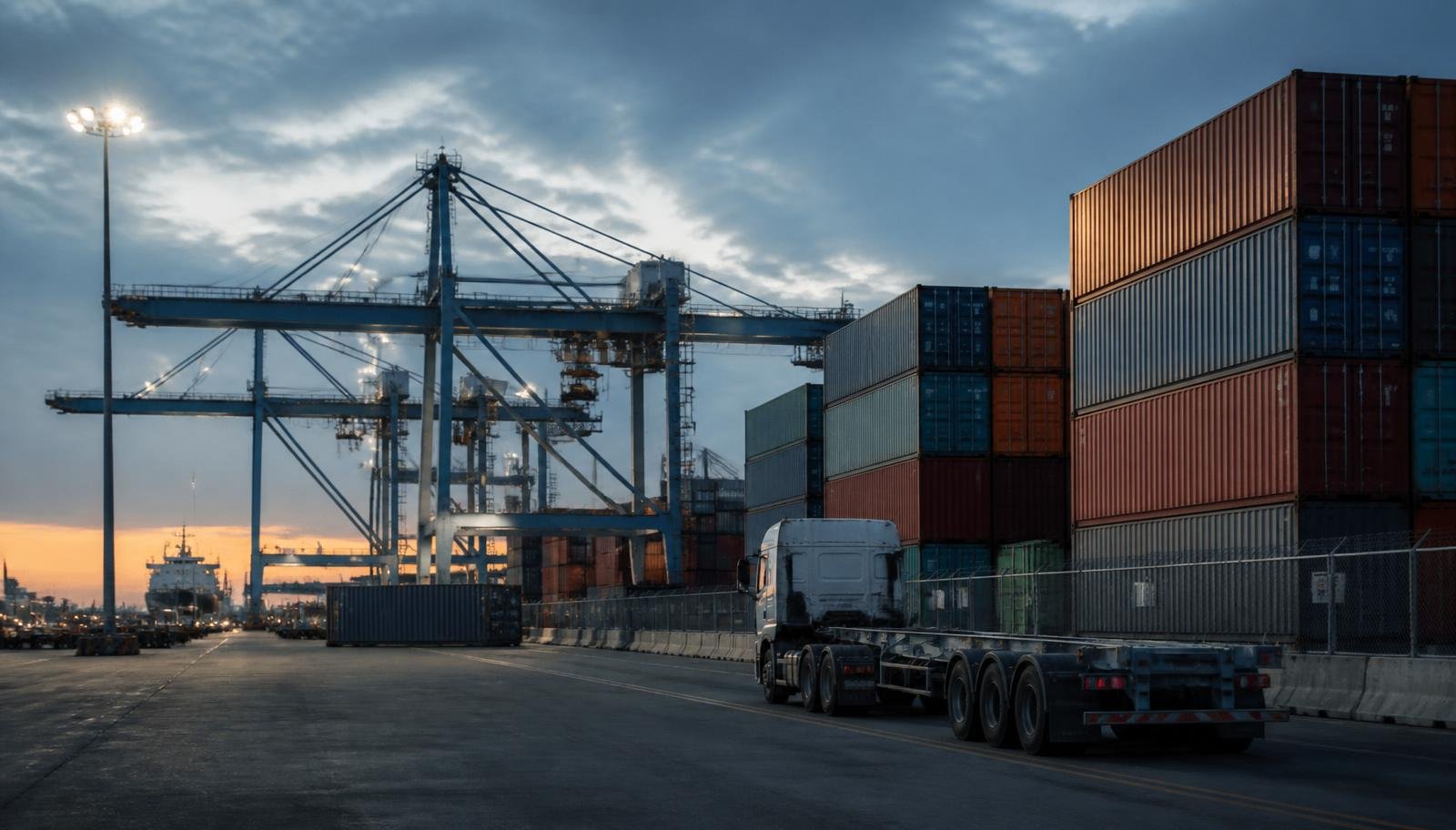
Movement alone does not tell the buyer whether timing, import review, pickup, or receiving is actually under control.
A small handoff delay starts consuming the buffer around a launch, replenishment, or receiving window.
Pickup is not confirmed, a document request remains open, release status is unclear, or a destination appointment is still pending.
Surface the blocking milestone, responsible party, required input, and downstream timing impact.
Unexpected cost often appears after the original issue, not when the first problem occurs.
A release milestone slips, pickup timing changes, information has to be corrected, or the delivery plan must be rebuilt.
Connect the emerging cost exposure to the underlying issue, responsible party, and next action — while keeping known charges and planning assumptions visible to the buyer.
Some questions need the right licensed, regulatory, or technical party before the cargo moves.
Product information is incomplete, classification is uncertain, a trade-remedy question appears, or the product may require additional regulatory review.
Flag the unresolved question, organize the supporting facts, route it to the appropriate broker, specialist, or authority, and keep the buyer-side status visible.
ImporterDesk can flag unresolved questions and coordinate review. Formal customs business, classification rulings, AD/CVD scope determinations, regulatory decisions, and legal import responsibility remain with the applicable broker, Importer of Record, U.S. authorities, and other responsible parties.
A shipment can be released and still miss the business need if pickup and receiving are not aligned.
The cargo is available, but the receiving appointment is not confirmed, destination data is incomplete, or pickup and warehouse timing no longer match.
Bring destination requirements forward and connect pickup timing to the receiving plan before the last-mile handoff.
The objective is not to eliminate every external variable. It is to make the signal, ownership, and business impact visible early enough for the responsible parties to act.
What Your Team Actually Receives
Coordination should leave more than emails, chat messages, and status updates. Your team should have a usable record of the shipment plan, document handoffs, ownership, exceptions, and available delivery evidence.
Route and transportation assumptions, key timing targets, origin and destination requirements, major handoff points, and the parties expected to act at each stage.
Understand the planned shipment path and what has to happen before each handoff.
Available commercial invoice, packing list, shipment references, consignee information, product descriptions, receiving instructions, and other documents or supporting information required for the applicable handoff.
See which information has been provided, what remains open, and which party needs the next document or clarification.
ImporterDesk organizes and coordinates the document handoff. Formal customs filings, declarations, classifications, and regulated submissions remain with the applicable licensed or responsible parties.
Pickup, origin handoff, departure, arrival, import handoff, applicable release milestones, local pickup, destination receiving, and other agreed shipment events.
Separate “where the cargo is” from “what action is still pending.”
The issue, when it was identified, the missing input, responsible party, requested action, follow-up status, and known effect on the shipment plan.
Understand how an exception was handled and what remains unresolved.
Depending on the shipment and engagement scope, this may include proof of delivery, warehouse intake confirmation, appointment completion, signed receipt, photo records, or other available receiving evidence.
Close the shipment internally with a clearer record of what was received and whether any exception still requires follow-up.
The shipment may be temporary. The operating record should not be.
Each coordinated shipment should leave your team with a clearer record for reconciliation, internal review, supplier follow-up, and the next import cycle.
Next: choose how much of the coordination layer your team wants ImporterDesk to own.
Choosing how we work
The right cooperation model depends on how much of the handoff you want to keep in-house — not on the lowest quoted rate.
Cooperation decision hub
Three views of the same decision: what each model covers, which one matches your current setup, and how they compare line by line. Model D can be layered on top of A, B or C.
Cooperation Models
ImporterDesk adds a buyer-side coordination layer to the partners you already have — exactly where the handoffs need ownership.
One coordination layer across the entire shipment.
You have (or will appoint) your freight, broker, and delivery partners, but don’t want to manage every cross-party handoff.
Supplier readiness, origin handoff, freight milestones, broker-facing information requests, release-to-pickup status, destination readiness, final-mile handoff, and exception follow-up.
Your freight provider, licensed customs broker, IOR structure, warehouse, and other required partners.
Strengthen the supplier-to-freight handoff.
You already have a freight forwarder or transportation program, but supplier-side shipment preparation is inconsistent or difficult to manage remotely.
Supplier readiness, carton & packing information, shipment references, document alignment, pickup readiness, consolidation requirements when applicable, and the handoff to your appointed freight forwarder.
Your existing forwarder, customs broker, U.S. delivery network, and destination arrangements.
Get buyer-side document and open-item coordination.
Your freight path is already established, but product information, shipment documents, broker questions, or import review items still need someone to organize and drive across parties.
Shipment-information alignment, available commercial and packing documents, product-information requests, broker-facing open items, and questions routed to the appropriate customs broker, compliance specialist, or authority.
Formal customs filings, classification decisions, regulatory submissions, IOR obligations, and professional advice with the applicable licensed or responsible parties.
We do not replace the freight provider, carrier, licensed customs broker, Importer of Record, warehouse operator, government authority, or other party responsible for carrying, filing, clearing, receiving, or making regulated determinations.
If the shipment is straightforward and the only decision is carrier price, a freight provider may be all you need.
Customs brokerage, binding classification advice, legal representation, or formal regulatory filing should remain with the appropriate professional or authority.
If the primary requirement is U.S. storage, fulfillment, inventory management, or pick-and-pack operations, a 3PL is the better primary provider.
Tell us which partners you already have and where the handoffs get difficult. We’ll help you choose the coordination coverage that fits.
Origin Consolidation & Staging
ImporterDesk can coordinate a temporary origin-side staging step before international freight handoff — so cartons, labels, shipment references, physical counts, and supporting documents are reconciled before several supplier shipments become one outbound move.
Consolidation is not just putting cartons in the same place.
The real work is making sure the physical shipment, supplier records, packing information, labels, and freight handoff all describe the same cargo.
From Fragmented Inputs → Handoff Ready
ImporterDesk
Origin Control Point
Outbound Handoff File
One controlled shipment story.
Know what actually arrived at origin.
Incoming cartons can be received by supplier or shipment reference, with available carton counts, outer-condition observations, photos, dimensions, weights, labels, and other agreed intake details recorded before consolidation.
Buyer Question Answered
“Did every supplier actually send what the outbound shipment is supposed to contain?”
Resolve physical mismatches before the freight handoff.
Carton marks, SKU references, packing details, destination labels, dimensions, and consolidation instructions can be checked against the agreed shipment plan. Repacking, relabeling, or carton optimization can be coordinated when authorized and operationally appropriate.
Buyer Question Answered
“Are these cartons actually ready to move together as one outbound shipment?”
Make the freight partner receive one understandable shipment story.
Supplier source documents remain identifiable, while carton counts, shipment references, packing information, destination requirements, and available supporting records are reconciled into a buyer-side handoff file for the appointed freight provider and, where applicable, the next responsible party.
Buyer Question Answered
“Does the paperwork describe the cargo that is actually being handed over?”
What Happens at the Origin Control Point
The objective is simple: make the shipment easier to understand before it becomes harder and more expensive to correct.
Origin staging is shipment-specific and subject to the agreed engagement scope, facility capability, product characteristics, and handling requirements. ImporterDesk coordinates the origin-side control process and freight handoff; the appointed carrier, freight provider, customs broker, Importer of Record, and other responsible parties retain their respective transportation, filing, regulatory, and legal responsibilities.
Import Path Decision
Forwarder-led freight and express courier service are different operating models. Neither changes the need for accurate shipment information, the appropriate U.S. entry process, applicable duties and fees, or product-specific compliance.
Transportation channel ≠ customs status.
The way your cargo moves and the way it is entered into the United States are related decisions — but they are not the same decision.
Buyer Shipment Brief
Cargo Profile
Parcel / cartons / pallets / LCL / FCL / conventional air
Product Sensitivity
Straightforward / tariff-sensitive / regulated / classification-sensitive
Destination
Door / FBA / 3PL / retail DC / appointment-sensitive receiving
Timing
Routine / urgent / replenishment / launch-sensitive
Import Pattern
One-off / test shipment / recurring commercial lane
Path 01
More control when the shipment has more moving parts.
Best Fit
Recurring commercial imports, palletized cargo, LCL / FCL, conventional air freight, multi-supplier shipments, higher operational complexity, or deliveries with FBA, 3PL, retail DC, or warehouse appointment requirements.
Operating Model
Your appointed freight forwarder or carrier manages the transportation leg. The applicable customs broker or qualified filer handles the customs entry process. ImporterDesk keeps the supplier information, document handoff, shipment milestones, open items, release-to-pickup status, and destination plan connected for the buyer.
Buyer Gains
More explicit control over routing, broker handoff, receiving requirements, and cross-party ownership.
Watch for more handoffs.
Supplier data, shipping documents, broker questions, pickup timing, and destination readiness have to stay aligned across several parties.
Path 02
A more integrated operating path for the right small-shipment profile.
Best Fit
Samples, urgent replenishment, smaller parcel shipments, limited carton counts, and relatively straightforward delivery situations where an integrated courier network makes operational sense.
Operating Model
The courier manages the transportation network and typically uses customs brokerage resources to clear the shipment on the importer’s behalf. Shipment information, importer details, duties, fees, and applicable product requirements still matter.
Buyer Gains
Fewer separate transportation handoffs and a simpler operating setup for suitable shipments.
Small shipment does not automatically mean duty-free shipment.
Current U.S. rules no longer provide general duty-free de minimis treatment simply because a shipment is valued at or below $800. The applicable entry process, duties, taxes, fees, and product requirements still have to be addressed.
Decision Lens
The most useful question is not “Which option is faster?” It is “Which operating model gives this shipment the right balance of simplicity, control, documentation, and receiving readiness?”
Forwarder-led: pallets, LCL/FCL, conventional air, multi-carton or complex freight.
Express: smaller parcel shipments and limited carton counts.
Forwarder-led: more useful when product review, tariff sensitivity, or regulated handling requires more explicit coordination.
Express: better suited to relatively straightforward merchandise profiles.
Forwarder-led: FBA, 3PL, retail DC, warehouse appointment, pallet or receiving-specific requirements.
Express: simpler door delivery or limited-complexity receiving situations.
Forwarder-led: more explicit ownership across separate supplier, forwarder, broker, and destination parties.
Express: more integrated transportation network with fewer separate logistics handoffs.
Forwarder-led: recurring commercial import lanes and ongoing operating processes.
Express: samples, tests, urgent replenishment, or smaller one-off shipments.
Landed-Cost Planning
We can organize the known freight, delivery, duty, tariff, and fee assumptions for planning — while classification, duty treatment, formal filing, and final government assessment remain with the applicable importer, broker, qualified filer, and authorities.
Import Review Flags
If the product raises classification, tariff, AD/CVD, labeling, or regulated-product questions, ImporterDesk can flag the unresolved issue, organize the available product facts, and coordinate review with the appropriate broker, compliance specialist, or authority before the shipment moves.
ImporterDesk helps compare operating fit, organize shipment facts, and coordinate with the appointed logistics and compliance parties. We do not provide binding tariff classification, customs entry filing, AD/CVD scope determinations, government regulatory approvals, or legal import representation. Final entry type, classification, duty treatment, customs filing, government release, and legal import responsibility remain with the applicable importer, licensed customs broker or qualified filer, carrier, and government authorities.
Buyer-Side Shipment Visibility
What is confirmed? What is still open? Who owns the next action?
ImporterDesk turns scattered shipment updates into one buyer-side operating view — connecting confirmed milestones, open items, ownership, next actions, and downstream impact without replacing the systems or responsibilities of your freight, brokerage, or delivery partners.
A useful buyer view should separate confirmed facts from estimates, surface the unresolved dependency, show the responsible party, identify the next action, and make the business impact visible.
What has actually happened?
Use the latest confirmed event as the operating baseline instead of treating an estimated location as a completed handoff.
What still prevents the next step?
A missing document, product detail, appointment, release milestone, pickup reference, or other unresolved dependency should be visible.
Who is expected to act next?
Supplier, freight provider, customs broker, importer, terminal, warehouse, final-mile provider, ImporterDesk, or another responsible party.
What specifically needs to happen?
Show the requested information, confirmation, decision, or operational step — not just a generic status such as "pending."
What does the open item affect?
Connect the current issue to pickup timing, warehouse appointments, replenishment, receiving readiness, or another business milestone.
The specific information available depends on the engagement scope and updates received from the parties involved in the shipment.
Tracking tells you where something moved. Coordination visibility tells you what still has to happen.
Shipment visibility reflects the information available from suppliers, freight providers, carriers, customs brokers, terminals, warehouses, final-mile providers, and other responsible parties. ImporterDesk organizes and coordinates those updates for the buyer; we do not control third-party tracking systems, customs decisions, terminal availability, inspection outcomes, carrier performance, or the timing of external status updates.
Before the shipment leaves
Confirming readiness at origin costs less than fixing a classification or labeling problem after arrival.
Pre-shipment checks are documentation and process reviews — they do not replace a customs broker's ruling or an agency determination.
Pre-Shipment Import Readiness
The goal is not to label a product “compliant” from a checklist. It is to identify which import questions still need an answer — and route each one to the broker, agency specialist, testing provider, supplier, or other responsible party before the shipment becomes harder to change.
WHAT STILL NEEDS AN ANSWER?
Illustrative Product Readiness Dossier
Rechargeable Desk Lamp
Buyer-side pre-shipment review
2026 Current Note
CPSC certificate eFiling requirements took effect July 8, 2026 for imported consumer products subject to CPSC certification requirements.
Five Review Triggers
The useful question is which facts, documents, approvals, certifications, filings, or specialist decisions still need to be confirmed before the shipment is committed.
Product & Agency Requirements
Does the product fall under a U.S. agency-specific requirement?
Food, dietary supplements, cosmetics, medical devices, children’s products, certain consumer products, agricultural or plant-related goods, and other regulated categories may require product-specific review before shipment.
Classification & Duty Treatment
Is the tariff treatment clear enough for the responsible parties to proceed?
Product construction, material, function, country of origin, and other facts can affect classification and duty treatment. If an issue is unresolved, ImporterDesk can organize the product facts and coordinate review with the appointed customs broker or other appropriate specialist.
Trade-Remedy Exposure
Could the merchandise raise an AD/CVD or other additional-duty question?
A tariff number alone should not be treated as a complete answer. When trade-remedy exposure is uncertain, the product description, technical characteristics, country of origin, and applicable order scope may need specialist review.
Testing, Certification & Labeling
Is required evidence ready before the shipment is committed?
Depending on the product, the buyer may need to confirm testing, certification, labeling, registration, or electronic filing requirements with the responsible party before shipment.
Material, Packaging & Shipping Conditions
Does the product or packaging create an additional handling or import requirement?
Batteries, liquids, chemicals, plant materials, wood products, wood packaging, and other special attributes can create requirements that need to be identified before pickup or freight booking.
Buyer-Side Output
The purpose is to make unresolved requirements visible and route them to the correct party before the cargo moves.
READY TO ROUTE
The responsible party and required information are identified.
REVIEW NEEDED
An unresolved question has been assigned to the appropriate broker, specialist, laboratory, supplier, agency resource, or other responsible party.
DO NOT SHIP YET
A required fact, document, approval, testing record, certificate, registration, label requirement, or other prerequisite remains unresolved.
Have a product you have not imported before?
We’ll help organize the open questions and identify which party needs to review them.
ImporterDesk provides buyer-side coordination and issue routing. We do not certify that a product is compliant, provide binding tariff classification, file customs entries, issue regulatory approvals, perform laboratory testing, make AD/CVD scope determinations, or replace the Importer of Record, licensed customs broker, government agency, laboratory, legal counsel, or other responsible specialist. Import requirements are product-specific and may change; the applicable responsible party should confirm the current requirement before shipment.
Working Model
No. If you already have a freight forwarder, customs broker, carrier, 3PL, warehouse, or other established provider, ImporterDesk can coordinate around that operating model. Our role is to keep supplier information, shipment readiness, document handoffs, milestones, open items, and cross-party follow-up connected from the buyer’s side.
When Something Changes
Complexity & Expectations
Keep your providers. Add ownership where the handoffs break down.
The specific coordination scope is defined by the engagement and shipment requirements.
When an Exception Hits
When a document, freight, import, pickup, or receiving issue interrupts the plan, ImporterDesk keeps the buyer-side response moving: establish the confirmed facts, identify the responsible party, organize the required information, track the next action, and keep the downstream impact visible.
Our Operating Commitment
We do not disappear when the shipment leaves the supplier. If an exception falls inside the agreed coordination scope, we stay on the buyer-side thread until the responsible party has the information, ownership is clear, the next action is documented, and your team can see what remains open.
How the response stays organized
The objective is not to make every external problem disappear. It is to prevent the response from becoming fragmented, ownerless, or invisible to the buyer.
Illustrative Exception Brief · Not a Real Shipment
Shenzhen Los Angeles Dallas 3PL
Illustrative example of how buyer-side exception ownership can be organized without implying that ImporterDesk performs the licensed or regulatory function itself.
The invoice and buyer shipment record contain inconsistent product information for two line items.
Confirm the factual product and transaction information with the supplier, organize any corrected source documents that are legitimately required, and route the updated information to the appointed broker for review.
Pickup and the destination receiving plan remain pending until the import handoff is sufficiently resolved for the responsible parties to proceed.
Your team sees what changed, who owns the next action, what information is still missing, and which downstream milestone may be affected.
ImporterDesk coordinates the buyer-side exception response within the agreed engagement scope. We do not control government decisions, inspections, customs release, carrier performance, terminal operations, or third-party response times, and we do not perform licensed customs business or regulated determinations unless separately provided by the appropriately authorized party. Illustrative exception scenarios are examples of coordination workflow, not representations of actual customer shipments or guaranteed outcomes.
Start With the Shipment
Tell us what you are importing, where it is coming from, where it needs to go, and which suppliers, freight providers, customs brokers, warehouses, or other partners are already in place. We will help define where buyer-side coordination can close the gaps.
Start With
You do not need a perfect shipment file before contacting us. The first step is identifying what is already known, what is still missing, and which handoffs need coordination.
What We Map First
Your shipment, broken into ownable handoffs.
Engagement
Pay-as-you-go coordination. No long-term contract required.
Scope
Buyer-side coordination within the agreed engagement scope.
Visibility
One shipment thread your team can actually read.
Boundaries
No licensed customs business or regulated determinations.
One import thread, one owner per handoff, one record your team can rely on.
ImporterDesk coordinates buyer-side import activity within the agreed engagement scope. We do not control government decisions, inspections, customs release, carrier performance, or third-party response times, and we do not perform licensed customs business or regulated determinations unless separately provided by the appropriately authorized party.